Loading...
Marin County · Lifestyle · Commute
Living in Marin, Working in SF:
Making the Commute Work
Bridge, ferry, car, bus - if you live in Marin and work in San Francisco, your commute shapes your days. Here's how to think about it (and actually survive it).
On paper, living in Marin and working in San Francisco looks simple: it's just across the bridge. In real life, the commute is a daily equation - time, money, stress, and trade-offs against everything you get for living on the north side of the Golden Gate.
Some mornings you're watching fog wrap Mount Tam while you sip coffee. Other mornings you're eyeing backup on 101, checking ferry times, or power-walking to catch a bus that gets you into the city on time. The trick isn't pretending the commute is nothing - it's learning how to design a life around it.

Why People Do It Anyway
Why it works
Marin life · SF work
What you gain on the north side of the bridge
People choose Marin while working in SF for a few clear reasons:
- Everyday environment: Redwoods, ridges, coastal towns, and quieter neighborhoods.
- Pace: Slower, less dense, and more “home” once you're off the clock.
- Access: Quick shots to trails, beaches, and parks before or after work.
The commute is the toll you pay (sometimes literally), but for many, the trade feels worth it: urban job, Marin life.
Your Main Commute Options
1. Car + Golden Gate Bridge
Door to door
Flexibility first - with tolls, parking, and traffic in the mix
- Pros: Door-to-door, flexible timing, no transfers.
- Cons: Bridge tolls, parking in SF, traffic spikes, and the mental load of driving.
Who it suits best
- People with unpredictable hours
- Those who need a car in SF for meetings or site visits
- Folks who value flexibility over predictability
2. Bus (Golden Gate Transit)
Hands off
Reclaim the ride for reading, email, or rest
Golden Gate Transit buses run from multiple Marin hubs into the city.
- Pros: No driving or parking stress - you can read, work, or zone out.
- Cons: You live on the schedule; transfers can add complexity.
Who it suits best
- Regular office hours
- People who want commute time for email, reading, or rest
- Those who hate circling for parking downtown
3. Ferry
Larkspur · Sausalito · more
The commute that can feel like a reset
From Larkspur, Sausalito, and other terminals, the ferry is the commute that doesn't always feel like a commute.
- Pros: Views, fresh air, time that genuinely feels like a break.
- Cons: Fixed schedules, last-boat anxiety, and needing a way to and from the terminal on both ends.
Who it suits best
- People whose hours line up with sailings
- Anyone who'd rather watch the skyline and the bay than taillights
- Those who need a mental gear-shift before and after the office
The Real Costs (and How to See Them Clearly)
When you live in Marin and work in SF, the cost isn't just money - it's:
- Time: An extra hour (or more) round-trip, depending on your mode.
- Energy: The difference between arriving home ready to cook, hike, or talk - and arriving completely drained.
- Logistics: Coordinating kids, pets, deliveries, and appointments around commute windows.
Questions to weigh
- What does living in Marin give me that I couldn't or wouldn't get living in the city?
- How many days a week am I actually going in?
- Can I shift my hours or mode (bus/ferry) to make the commute feel less heavy?
Designing a Commute You Can Live With
People who make the Marin-SF split work don't just accept the commute - they engineer it.
Practical strategies
- Hybrid schedules: Even 2-3 days a week in SF changes everything. The rest of the time, your “commute” might be walking to a local coffee shop or closing a laptop at your kitchen table.
- Shifted hours: Leaving earlier or later can turn a stressful drive into a smooth one, or unlock a less-crowded ferry or bus.
- Mode mixing: Driving to a park-and-ride, then taking transit; biking to the ferry; keeping a folding scooter or Clipper habit ready to go.
- Making commute time yours: Podcasts, audiobooks, focused reading, or quiet time - so it feels like part of your day, not stolen from it.
Where You Live in Marin Changes Everything
- In southern Marin (e.g., Sausalito, Mill Valley) often means shorter drives or bikeable routes to ferries and faster bridge access.
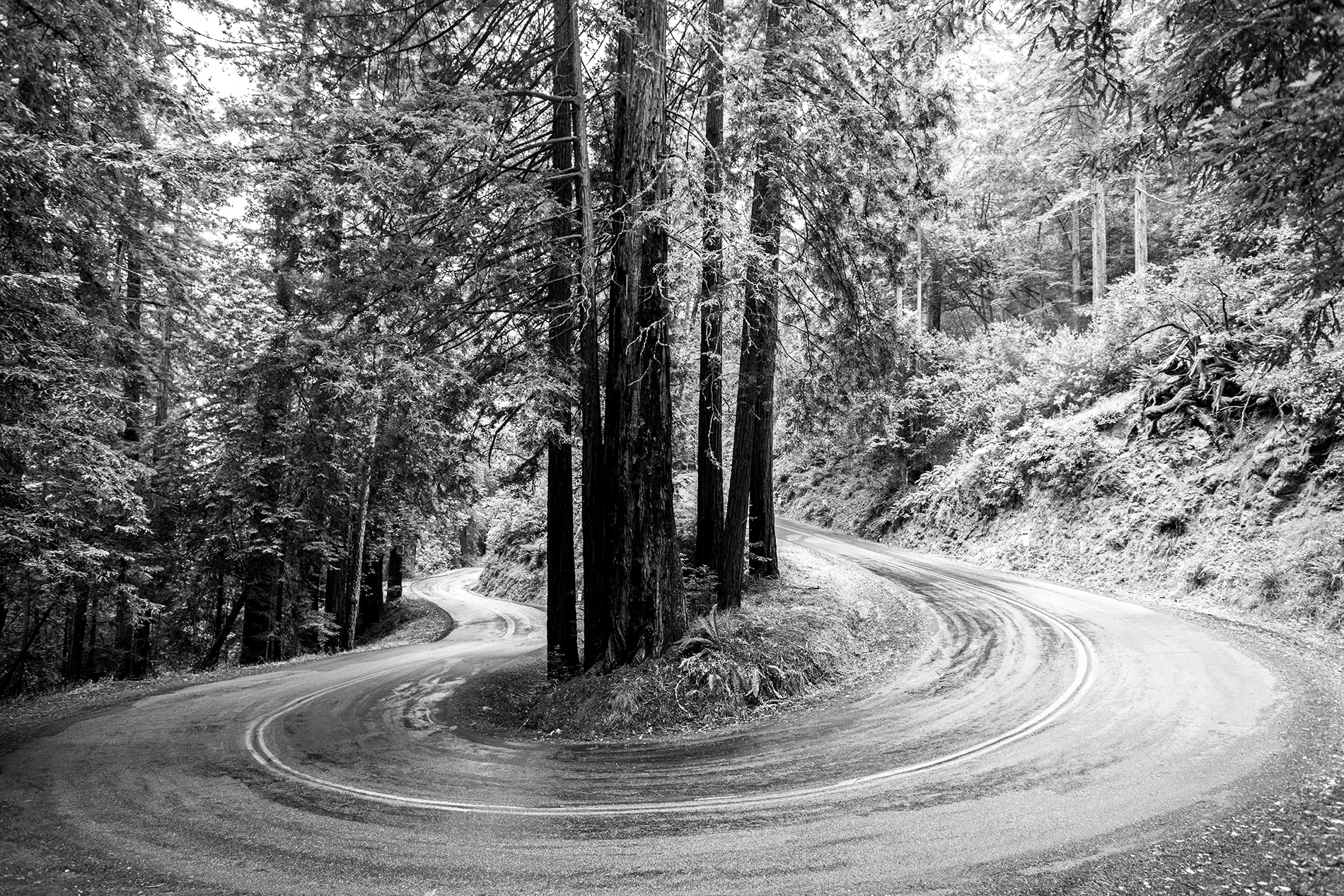
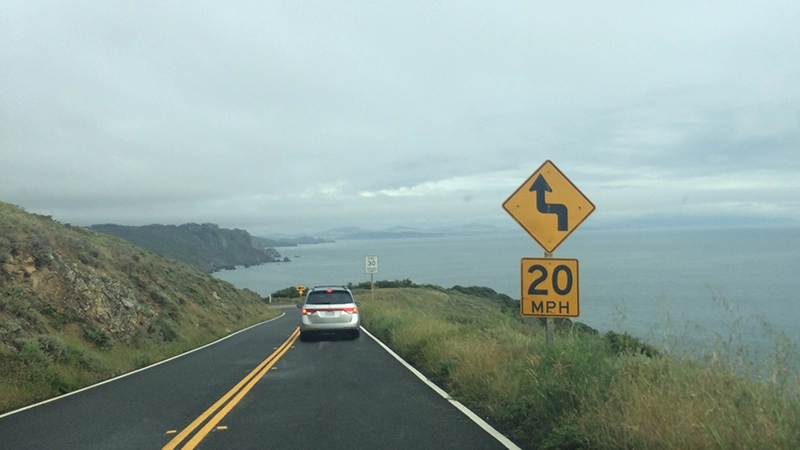
- West Marin (Stinson, Bolinas, Point Reyes) trades a longer drive for coastal life - the route into San Francisco is scenic, winding, and part of the daily rhythm.
- Farther north (San Rafael, Novato) can mean more affordable options or more space - but longer ride times.
What to factor in
- How many transfers your typical day involves
- Whether you're okay with a longer but more pleasant route (like the ferry)
- How your home location lines up with parks, schools, and the daily life you want outside of work
Stinson Beach to San Francisco
Six questions before you commit
How many days will I realistically commute each week?
Can I negotiate hybrid work or flex hours?
Which mode (car, bus, ferry) actually fits my temperament?
Where will I spend my “saved” non-commute time - on trails, with family, in creative work?
If the bridge backs up or a ferry is canceled, what's my Plan B (and C)?
The Upside: Why People Stay
For many, the payoff is clear:
- Weekends that start on trails, at the beach, or in small coastal towns
- Evenings that feel like escape, not just the other side of the freeway
- The sense that your life isn't fully defined by your office zip code
Living in Marin and working in SF isn't effortless - but for the right person, it's a powerful combination: big-city opportunity, small-county everyday life.
If you can shape the commute into something intentional, the split stops feeling like a dilemma and starts feeling like a choice.
More from The Vibe


Did you enjoy this story?
Share it with your friends or explore more from Vibe Magazine.