Nick's Cove
23240 CA-1, Marshall
Explore Other Towns
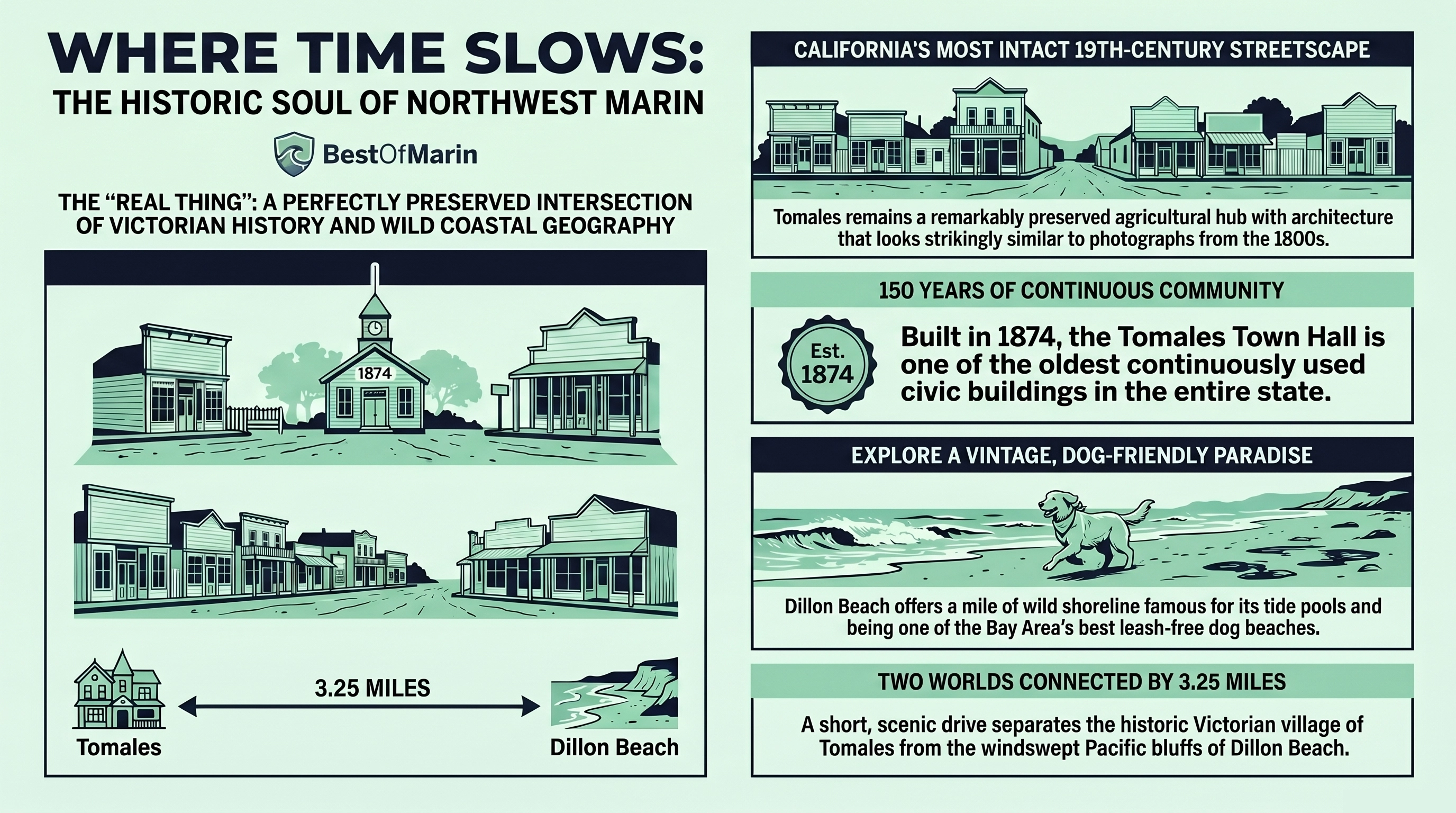
A brief history of Tomales & Dillon Beach: — a visual guide to preserved village history, coastal geography, and Northwest Marin pace.
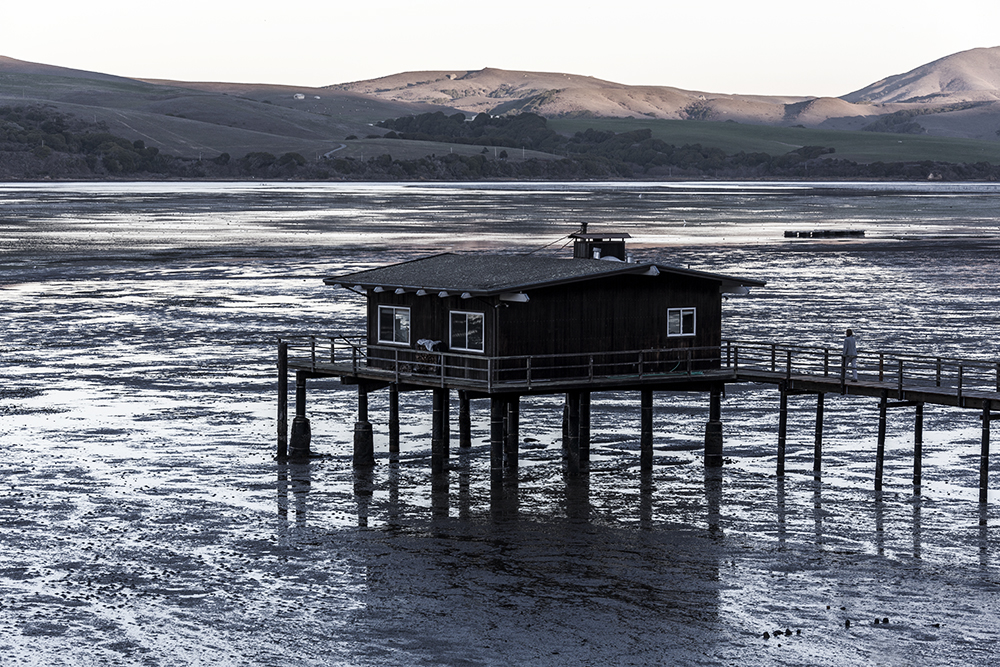
Tomales and Dillon Beach are far-edge Marin: weather-driven, food-forward, and deeply coastal.
Own premium visibility in this town page and vibe-aligned placements.
Get Featured
There is a stretch of northwestern Marin County - beyond Marshall and the dairy hills - where Highway 1 rises through open ranchland and the Pacific is felt in the air before it is seen. At the end of that drive sit two of the county's most compelling communities: Tomales, with its remarkably preserved 19th-century village core, and Dillon Beach, where the open Pacific meets the northern mouth of Tomales Bay.
Separated by only a short drive, they offer something increasingly rare on the California coast: places that have not been overbuilt, over-marketed, or over-discovered. Together they remain authentic, working, and visually extraordinary.
Tomales began as a Coast Miwok landscape and later evolved from port settlement to rail-linked agricultural hub. The North Pacific Coast Railroad era connected this once-isolated area to wider regional commerce and helped establish the village as a center for ranching and dairy life.
Today, Highway 1 through Tomales still reads like a living historical document: intact vernacular houses, Italianate and Queen Anne forms, early industrial structures, and civic buildings that remain in active use. Few California towns retain this level of historical continuity in both streetscape and setting.
Long before modern development, the area around Tomales Bay supported Coast Miwok villages, including sites near present-day Tomales. The landscape that made the region viable then - estuary, prairie, and coastal - still defines its identity now.
Tomales Regional History Center continues to preserve and interpret this layered history through archives, exhibitions, and local documentation spanning indigenous heritage, ranching, rail, and community life.
Built in 1874, Tomales Town Hall is among California's oldest continuously used community buildings. For generations it has hosted civic meetings, social events, celebrations, performances, and local organizing for communities along this Highway 1 corridor.
Its volunteer-led preservation and current restoration work make it one of West Marin's most meaningful civic heritage projects - a rare case where historic function and present-day community use are still perfectly aligned.
Housed in the 1921 Tomales High School auditorium, the Tomales Regional History Center preserves one of the richest archives in northwest Marin and adjacent Sonoma, including photography, ranching records, school histories, and family collections.
Tomales also retains durable local institutions: long-running general store culture, historic church sites, a high school serving the wider shoreline district, and a village commercial rhythm that still supports daily life rather than tourism-first turnover.
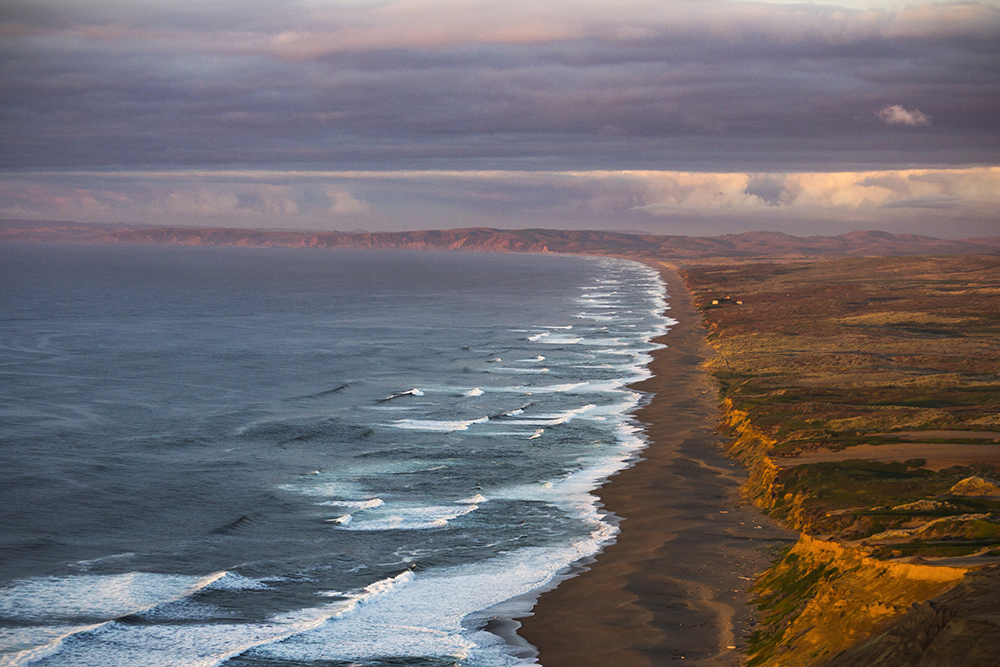
Just west of Tomales, Dillon Beach opens to one of the most dramatic coastal edges in Marin. Here, estuary and ocean systems converge in a visibly dynamic environment of wind, surf, dunes, tide pools, and broad shoreline.
Founded in the 19th century and still small in permanent population, Dillon Beach keeps an old-school coastal character that is increasingly uncommon in California: simple rhythms, strong natural forces, and an emphasis on being outside rather than being entertained.
Dillon Beach is known for wide sand, stronger surf windows, tide-pooling opportunities at low tide, and unusually family- and dog-friendly use patterns. It supports everything from beach walking and kite flying to seasonal surf and shoreline exploration.
Nearby Elephant Rock and the Lawson's Landing area add distinct geologic and recreational anchors - including bay-facing camping, fishing, and paddling opportunities near the mouth of Tomales Bay.
Highway 1 between Point Reyes Station, Tomales, and Dillon Beach is itself part of the destination: open dairy and grazing landscapes, marine weather shifts, and one of the most photogenic agricultural corridors in Northern California.
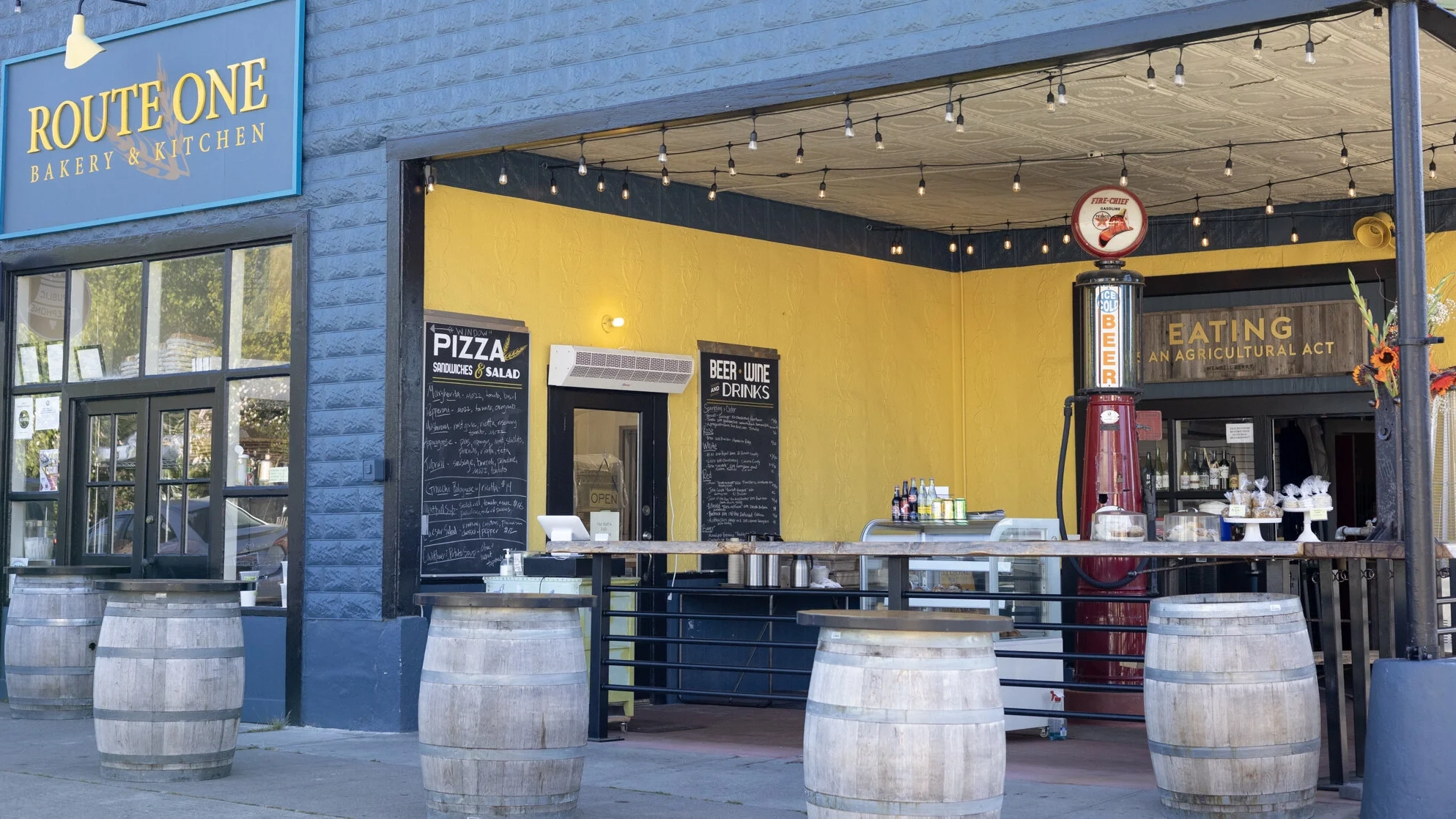
The Tomales intersection at Highway 1 and Tomales-Petaluma Road remains a true highway village node, where bakery, saloon, post office, and general-store functions still carry real local value.
What distinguishes this combined Tomales-Dillon Beach area is not just scenery - it is integrity. The built environment, the working-land backdrop, and the pace of life still match each other.
In 2026, that level of continuity is rare. For visitors, it feels like discovery; for locals, it is everyday life in one of Marin County's most authentic corners.
Tomales is reached via Highway 1 and Tomales-Petaluma Road in northwest Marin, with Dillon Beach 3.25 miles west along Dillon Beach Road. Public transit is limited to none for practical day access, so driving is the standard approach.
The route choice matters: approaching from Point Reyes Station on Highway 1 delivers one of coastal California's strongest drive experiences, while the inland approach via 101 and Petaluma is often fastest.
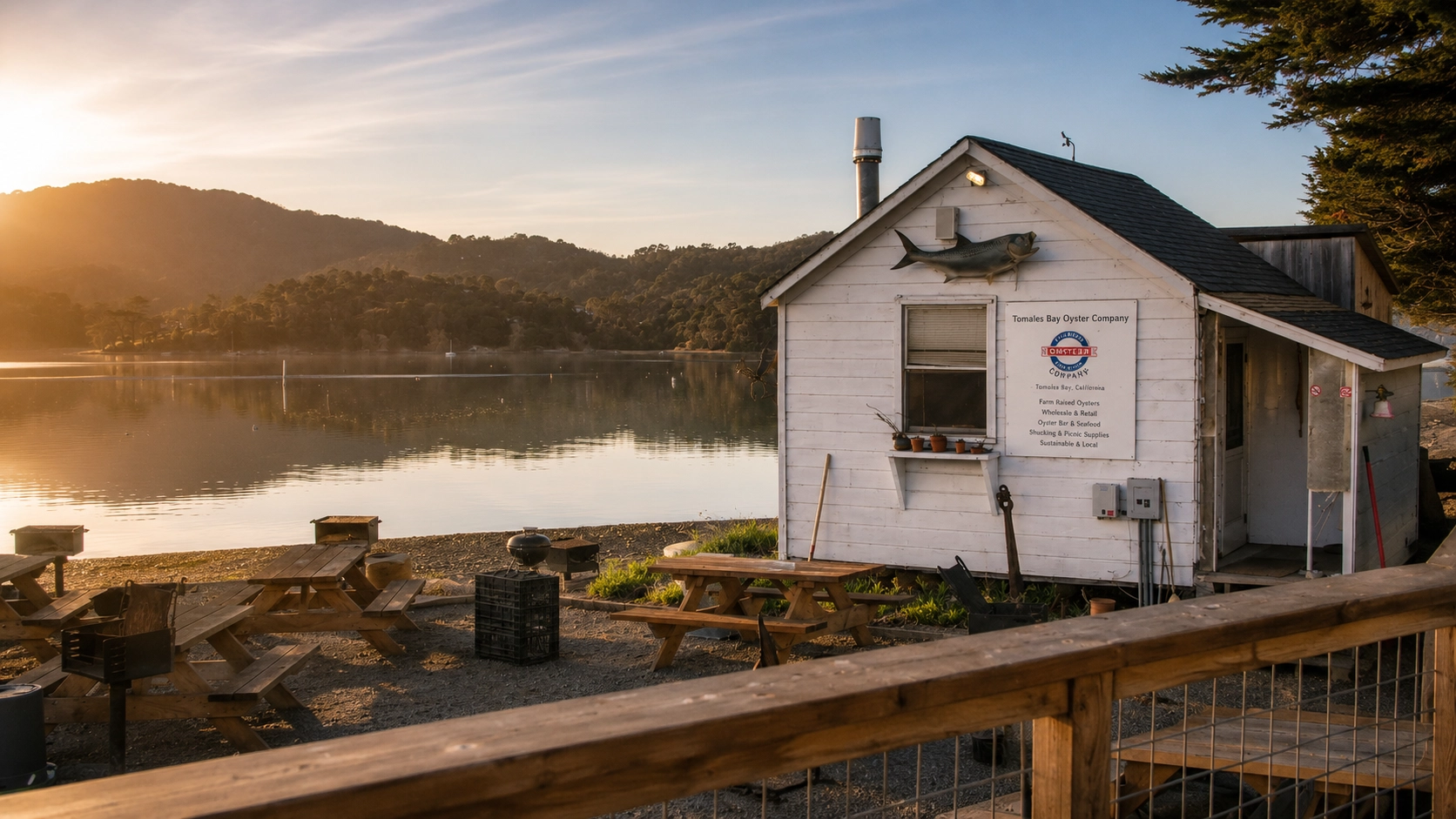
Local tip: Make a full day of it: drive Highway 1 north from Point Reyes Station, stop for oysters along Tomales Bay, then spend late morning in Tomales at the History Center and bakery before heading to Dillon Beach. Aim for low tide for tide-pooling, then stay for sunset over the Pacific from the bluffs. The return through Tomales at dusk is part of the experience.
Be one of the top spots people discover first.
✔ Featured on this town page
✔ Priority placement in your category
✔ Suggested across BestOfMarin
Marin County, Town by Town: A Visitor & Local Guide
A practical Best of Marin guide to every Marin County community, with town-by-town highlights, local vibe, and planning notes.
Stinson Beach vs Point Reyes: The Perfect Marin Day Trip
A polished Best of Marin guide to choosing between Stinson Beach and Point Reyes for a Marin County day trip.
Explore other Marin communities — curated neighbors first, then browse every town guide.
Showing 1–2 of 20 Marin towns · Use arrows to browse all towns